Understanding the Challenge of Lobuche Peak
Misconception of a “Trekking Peak”
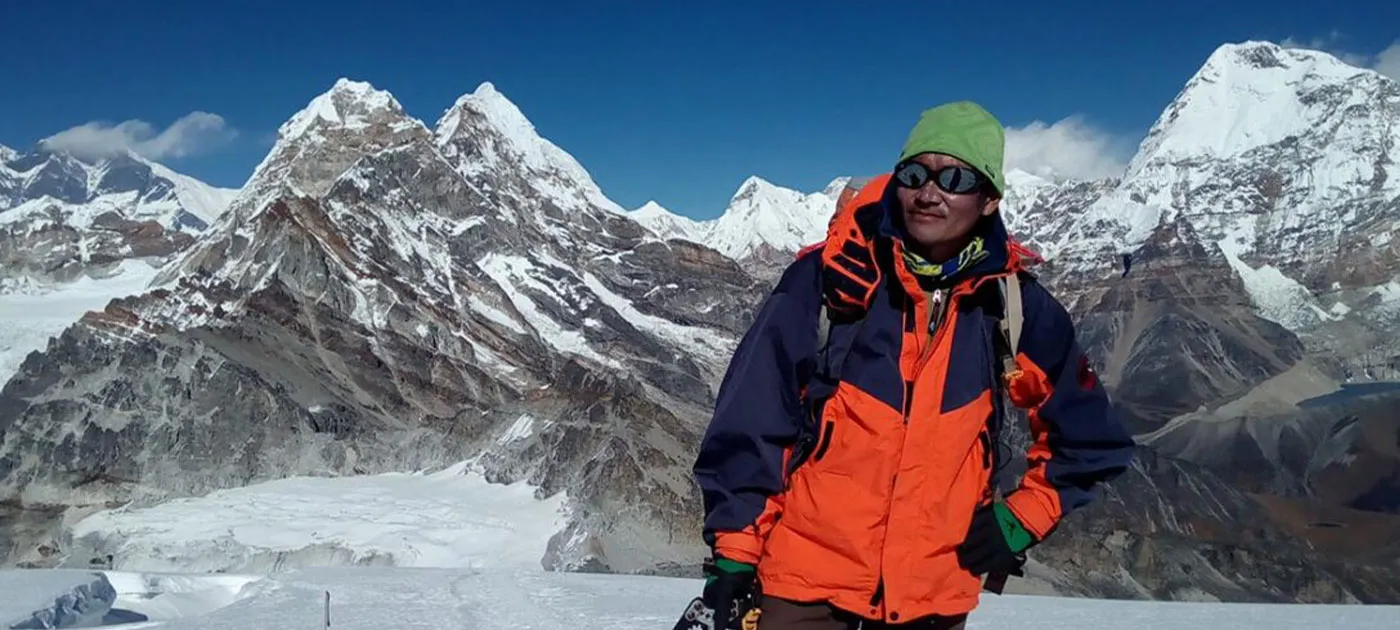
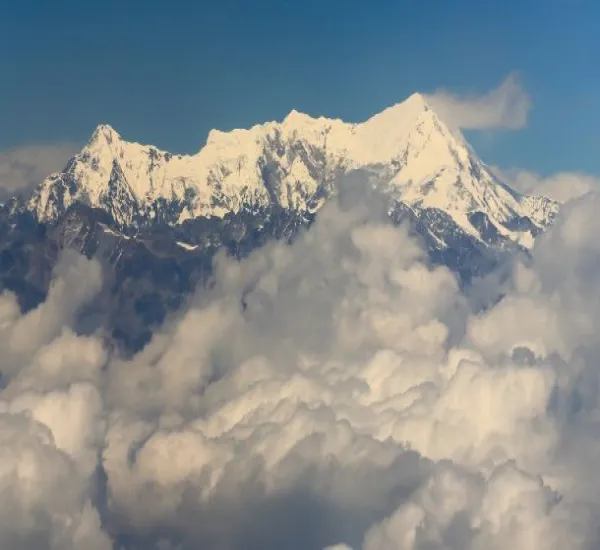
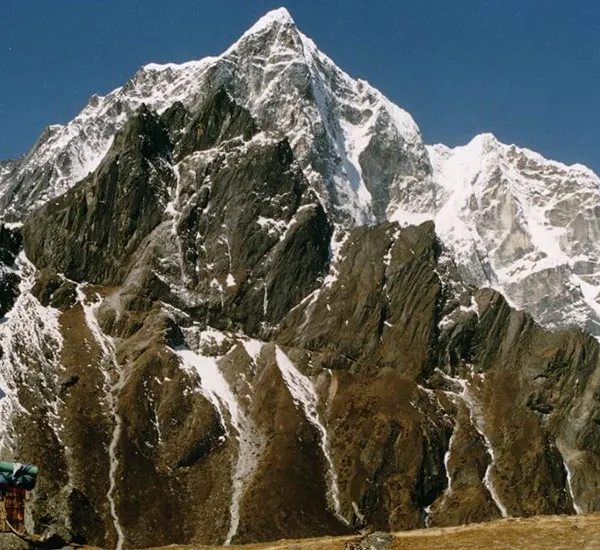
The official classification of Lobuche Peak as a trekking peak presents a misleading portrayal for people who interpret this classification as indicating easy accessibility. The route to base camp follows established Everest region trekking trails however the final climbing sections need actual mountaineering skills.
Technical Skills and Equipment Requirements
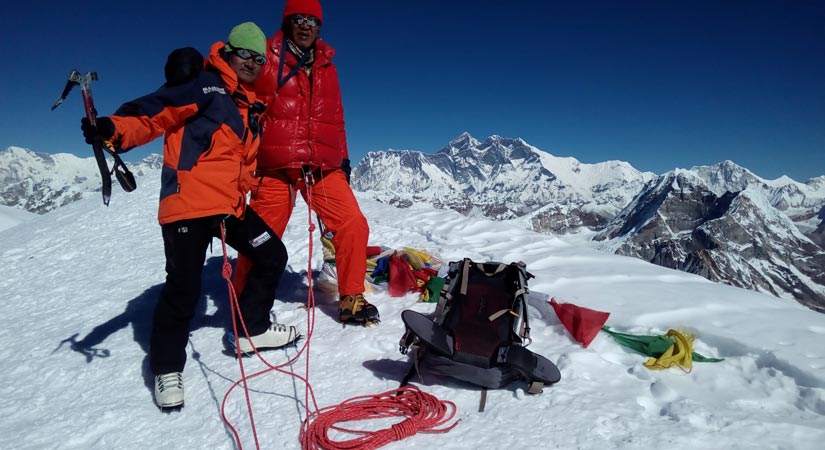
Climbers need to develop their skills to handle steep, snowy and icy slopes, learn how to use fixed ropes and basic climbing equipment such as crampons, harnesses and ice axes. It is essential for you to be confident and receive the right guidance when dealing with the difficult circumstances along the summit ridge.
Importance of Realistic Expectations and Altitude Awareness
Safety starts with setting realistic expectations. The influence of the height of 6119 meters affects the effectiveness of the performance and delays recovery time.
The itinerary typically includes gradual acclimatization days but climbers should still anticipate symptoms of high altitude sickness and be prepared to manage them responsibly. The risks involved in glacier hiking are crevasses and unstable footing, thus making the movement precise.
Summit Push Challenges
The climb to the summit begins early in the morning when you have to traverse narrow and steep ridges under freezing temperatures and low oxygen levels.
Endurance and Mental Preparedness
The combination of fatigue and weather changes together with difficult terrain requires climbers to prove their endurance abilities and their capacity to deal with challenges.
Climbers who study these demands before their expedition can prepare themselves properly which increases their chances of reaching the summit safely while having an enjoyable experience.
Physical Preparation for Lobuche Peak Climbing
Overall Physical Preparation Strategy
Preparation physically for the climb of the Lobuche peak must follow the principles of the training process with a focus on developing endurance, stamina and strength.
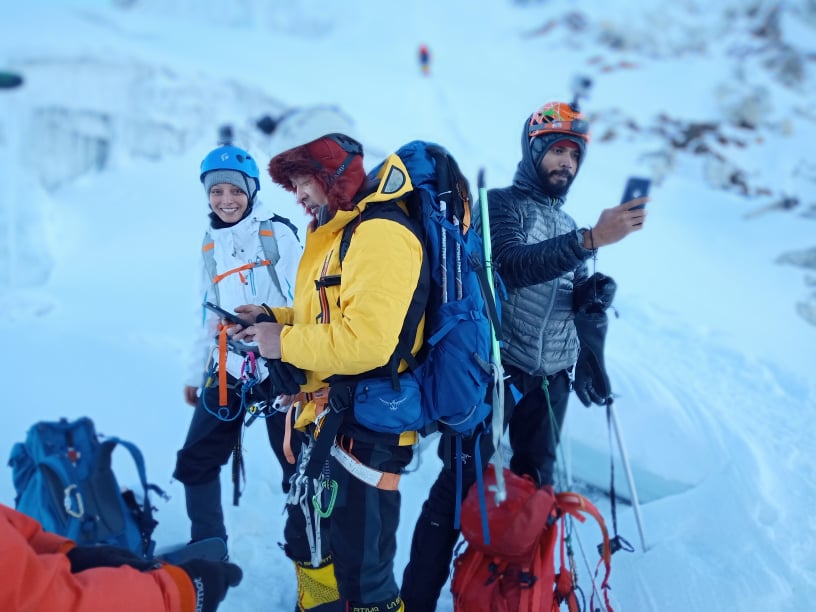
The expedition will involve several days (18-20) of trekking and climbing, often at high altitude where oxygen levels are significantly low. Climbers should aim to develop the ability to walk regularly in mountainous terrain for 5 to 7 hours a day with a light backpack.
Cardiovascular Endurance Training
The first stage in physical training before going on an expedition is cardiovascular endurance development. It implies exercises like hiking, cycling, running, stair climbing, and swimming to achieve better fitness. The training session can gradually increase in duration, intensity and elevation.
Trek-Specific Conditioning and Altitude Simulation
Walking along rugged paths with a backpack is highly recommended because it is more similar to the reality of future walking. Altitude training is also important where you will face multiple elevation fluctuations both upwards and downwards.
Strength Training for Lower Body and Core
Squatting, lunging, and step-ups are some of the exercises crucial in developing leg muscles (quads, hamstrings, glutes, and calves). Also, it is imperative to develop core strength for balance while hiking in rough terrain.
Upper Body Strength and Training Schedule
The strength of your upper body can be beneficial while handling ropes and keeping correct posture while carrying equipment. 4-5 cardio workouts, along with 2-3 resistance training sessions, per week for 8-12 weeks, will act as a good foundation for the upcoming journey.
Focus on Endurance Over Performance
In summary, the aim is not athletic performance but sustained effort amid fatigue. It becomes necessary to simulate the experience of being on an expedition by undertaking exercises since your body would be ready to face the challenges that you will encounter while climbing Mount Lobuche.
Altitude Preparation and Acclimatization
Failure to adequately prepare for higher altitudes leads to Acute Mountain Sickness (AMS). The increase in height is accompanied by a reduction in the level of oxygen in the atmosphere, which impacts the condition of the body and its performance.
One of the basic concepts in preparing for climbing to high altitudes is gradual ascent. In this case, the correct itinerary implies a carefully balanced increase in height. It is recommended to have several resting days during the expedition to allow the body to adjust.
Acclimatization enhances safety, improves performance, ensures better endurance and mental clarity and decreased fatigue among climbers. Most importantly, acclimatization decreases the need for descending due to altitude sickness which is often cited as the number one reason for expedition failures. Therefore, acclimatization is an effective means of improving expedition results.
The most efficient ways to acclimatize are walking at a slow, steady pace, hydrating sufficiently and climbing up but sleeping at a lower elevation when possible. Eating sufficient carbohydrates for fueling energy is another vital aspect of successful acclimatization.
Basic Mountaineering Skills Required
The ability to perform mountaineering tasks effectively is critical for tackling the climb up Lobuche, especially when approaching the summit which involves moving up very steep, icy and exposed areas.
You must be familiar with how to walk in crampons safely without falling over on the icy and snowy surfaces and the use of anice axe to traverse slippery slopes and steep inclines. Techniques associated with fixed ropes also prove crucial for tackling the summit push. You need to learn how to use a rope to connect yourself to harnesses, ascenders, and carabiners to move in safe ways along steep terrain.
Although previous mountaineering experience undoubtedly offers an enormous advantage, it does not necessarily have to be the case. And knowledge of such mountaineering basics can be acquired either before or during the ascent itself.
Essential Gear for Lobuche Peak
You should have all the necessary equipment ready to make the climb of Lobuche Peak comfortable, safe and successful. The mountaineering equipment includes crampons, an ice axe, a harness, a helmet, carabiners, ascenders, and fixed ropes.
Besides, there will be other essential items including a reliable backpack, a sleeping bag for extremely cold weather, trekking poles, a headlamp, gloves, and sunglasses. You may either buy or rent the gear and equipment that you need for the journey.
Although renting is more convenient and less expensive for certain items, using your own gear may seem more appropriate as it fits better and gives more confidence when climbing. Therefore, you should definitely consider buying boots and clothes.
Having proper clothing is vital because of rapid changes in the weather on the mountain. The right method of layering which includes moisture wicking inner layers, insulation middle layers, and a water-resistant outer layer, can help to keep body temperatures stable.
Furthermore, wearing insulated mountaineering boots with good traction is essential in ensuring that climbers stay balanced in snowy and icy conditions without suffering from frostbite or any other injury related to low temperatures.
Mental Readiness for High-Altitude Climbing
The challenges associated with climbing at high elevations are not purely physical in nature.
You will be spending several exhausting days of trekking and climbing in cold conditions that are likely to create constant discomfort. Fatigue may accumulate from day to day, and thus patience, a consistent pace of climbing, and effective stress management become vitat not get too stressed out.
The right attitude will allow you to cope with any changes in the weather, lack of oxygen, and strenuous climbing. During the final ascent to the peak of the mountain, mental readiness will play a very significant role as you will traverse some of the most challenging sections in the cold and dark early morning hours.
A strong mental approach not only helps climbers push through difficult moments but also ensures they remain calm, confident and in control throughout the expedition.
Common Preparation Mistakes to Avoid
- Underestimating the physical toll of trekking on consecutive days at high altitudes can cause early fatigue and low energy.
- Not understanding the dangers of height. The dangers associated with a lack of knowledge of acclimation, hydration or signs of altitude sickness can cause health problems and may force you to return from the climb.
- Incorrectly packing equipment. Inappropriate gear could make the ascent more dangerous and uncomfortable for the climber.
- Failure to incorporate enough acclimatization days into your itinerary or a too rapid ascent reduces the likelihood of safely reaching your summit goal.
Best Time and Conditions for Climbing
The best period for ascending Mount Lobuche is the spring (from March to May) and autumn (from September to November). They offer more stable and favorable weather in the Himalayas than at other times.
In spring, the temperature is mild and dry and the sky is clear, which creates ideal climatic conditions for trekking. This is also the time when rhododendron blossoms in the trail creating one of the most picturesque scenes in the Himalayas.
The autumn season is characterized by clear skies, fresh air, and good visibility, thus making it possible for trekkers to undertake trips safely and reliably.
During winter, the weather becomes very cold and there is a lot of snow on the mountain. While the snow enhances the beauty of the surroundings, it is difficult to navigate. Poor visibility in the monsoon can be experienced because of heavy rain showers, and there will also be possibilities of landslides.
There should always be readiness for sudden weather changes in the mountains, especially cold and windy conditions, even during peak seasons.
Importance of proper planning and guidance
The expertise of a guide will be invaluable in helping you navigate difficult terrain to make it all the way up to the summit of Lobuche. They monitor your health conditions and make sure that equipment is used correctly, especially steep, icy and glaciated areas to move ahead smoothly.
About the logistics side, it is absolutely necessary for you to organize everything ahead of time before getting there, from arranging the proper permits, food and accommodations to managing transportation and the needed equipment.
With the support of experts, a structured schedule and professional supervision, your chances of success increase considerably. This is why it becomes very vital for you to choose the correct packages of climbing provided by a reliable company like Peak Climbing Nepal.
Start Your Lobuche Peak Journey with Confidence
Having a positive mindset to undertake the Lobuche Peak challenge is equally vital as having the correct physical preparation and gear.
High altitude climbing calls for consistency in preparation, patience, and appreciation of the mountain environment. Being confident when undertaking the expedition requires you to be aware of all the obstacles involved, commit to appropriate preparation, and become ready to learn necessary skills under expert guidance.
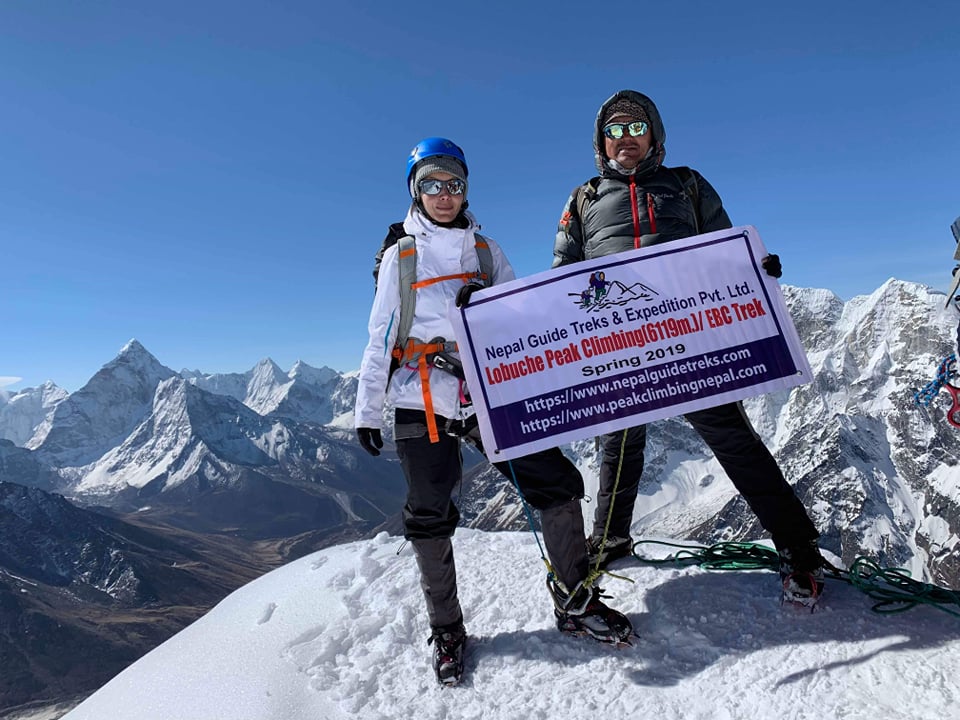
Preparation will go a long way in ensuring that climbers remain safe while enjoying their mountain exploration. Another significant thing to note is that starting such a journey with a capable team is extremely useful. Having professionals guide you through the process ensures easier planning, acclimatization, and management of the climb altogether.