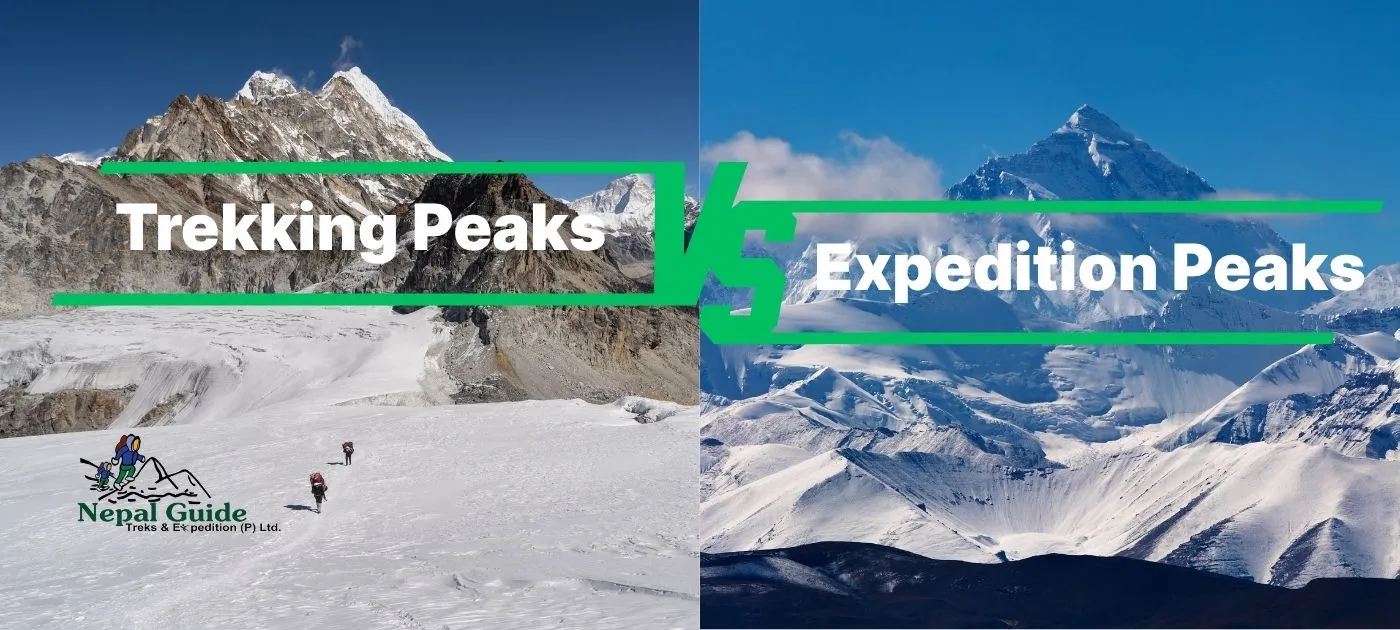
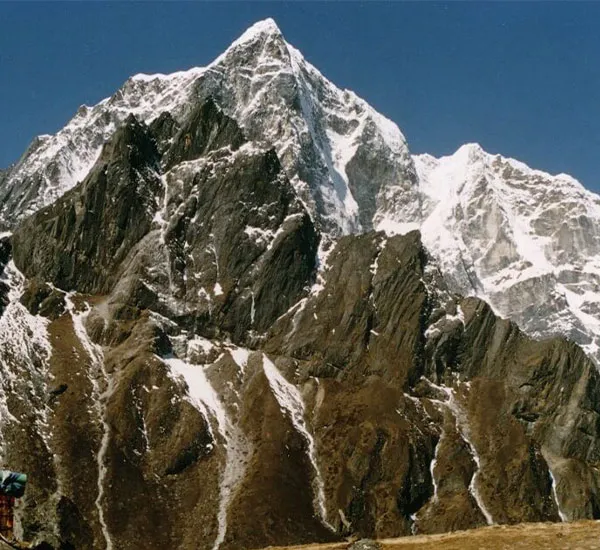
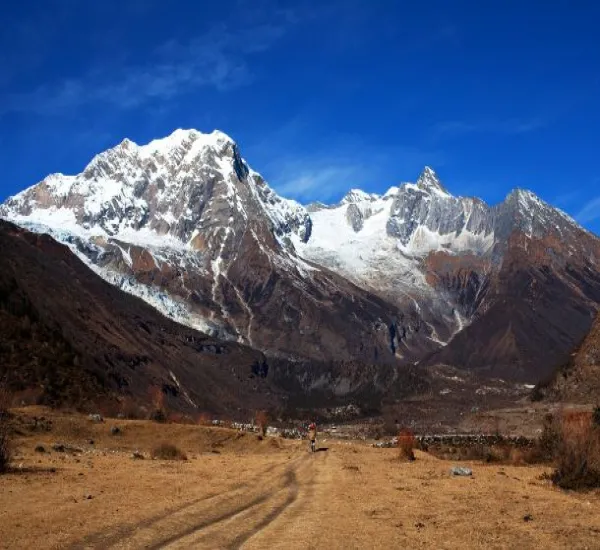
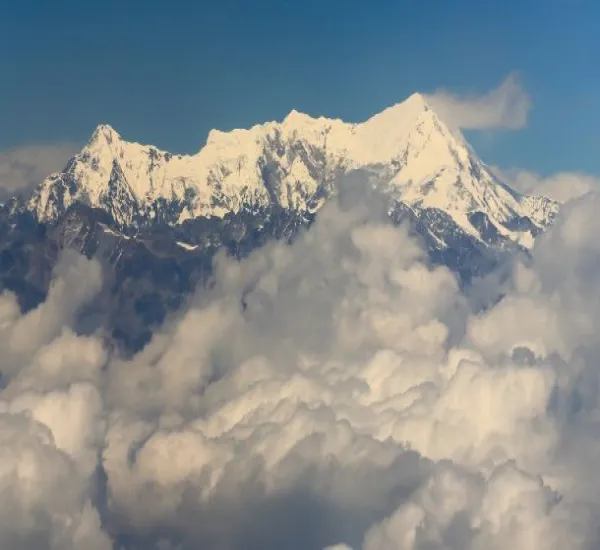
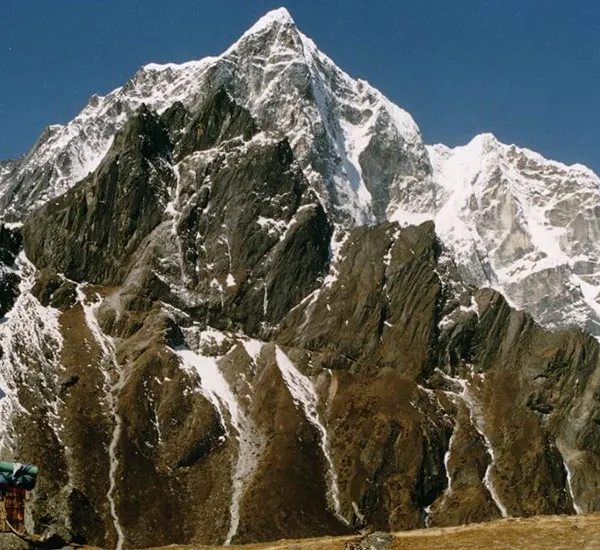
Nepal is a vast and wonderful place for mountaineers. Mount Everest and numerous other dramatic Himalayan summits attract the first-time high altitude trekkers, the veterans of peak climbing and the elite expedition teams aiming for formidable expeditions. The alpine adventure is nowhere as wide and varied as this within one destination.
However, many adventurers still wonder what differentiates trekking peaks and expedition peaks in Nepal in real terms.
On the surface, the difference might be regarded as merely administrative, a question of permits or official labels. However, the reality is that it directly affects the entire climbing process and experience. The technical skills required, the amount of money for the expedition, the number of permits, the overall complexity of logistics, safety measures, and even the possibility of reaching the summit vary.
The climber who takes an expedition peak lightly might be caught off guard when facing extreme conditions, while the person who opts for a trekking peak not to their liking might finish the trip feeling underchallenged.
This guide presents a clear and practical analysis of trekking peaks vs expedition peaks in Nepal. Knowing how these two categories differ allows you to select the one that matches your experience level, physical ability, budget and long-term mountaineering aspirations with confidence.
How Many Peaks Are There in Nepal?
The concentration of mountains in Nepal is extraordinary. It is a global center for mountaineering. The Nepal Mountaineering Association (NMA) together with the Department of Tourism gives the figure of more than 1,300 officially recognized mountain peaks (above 6,000 m) in Nepal. These are spread across the Himalayas from eastern Nepal to the far west.
Among this huge number of peaks, 491 have been legally open to climb. The whole process was done through the peaks being evaluated and then classified in terms of altitude, technical difficulty, environmental sensitivity, and safety measures.
These climbable peaks are divided into two main categories:
Trekking Peaks
The NMA administers the trekking peaks, which are mainly for climbers with basic to intermediate mountaineering skills. These mountains are usually located along popular trekking routes and provide an easy introduction to the climbing of Himalayan summits.
Expedition Peaks
The Government of Nepal directly manages these peaks via the Department of Tourism. Such mountains require highly skilled and experienced climbers, carry out considerable logistics and consume longer expedition timelines that usually include high-altitude camps, fixed ropes, and specialized climbing teams.
What Are Trekking Peaks in Nepal?
Trekking peaks are also termed as non-expedition mountains which usually have an altitude of 5,500 meters to just less than 7,000 meters. These peaks are specifically designated for climbers who possess basic to moderate mountaineering skills which makes them ideal for entry to high-altitude Himalayan climbing.
The trekking peaks, unlike full-scale expedition mountains do not require complex technical climbing or extensive logistical setups. But they still demand a good deal of physical fitness, altitude awareness and basic alpine skills like the use of crampons, ice axes, ropes, and glacier travel techniques.
The NMA is in charge of permits, regulation of climbing and ensuring these peaks are safe and environmentally friendly while being open for access.
Key Characteristics of Trekking Peaks
Easy to Get Permits
All the climbers are required to get a trekking peak permit from NMA. These permits are much easier and cheaper than expedition permits and have fewer administrative requirements.
Shorter Expedition Duration
Most of the trekking peak climbs can be done in 14 to 22 days including the approach, acclimatization, and attempts on the top. This is a great opportunity for climbers with tight schedules.
Lower Technical Difficulty
When compared to expedition peaks, trekking peaks consist of less technically challenging sections. Although snow and ice climbing practices are common, the routes usually skip lengthy vertical ice, intricate rock climbing or extremely exposed areas.
Integrated With Popular Trekking Routes
A good number of trekking peaks are found along the popular trekking routes in the Everest, Annapurna, and Langtang regions. Thus, climbers can experience Nepal’s famous trekking culture while pursuing a summit.
Ideal for First-time Peak Climbers
Trekking peaks are considered as the best introductory point to Nepal peak climbing. They provide climbers with altitude experience while imparting basic skills before trying the more difficult expedition peaks.
Lower Cost Than Expeditions
Trekking permits are significantly less expensive than for large scale mountaineering which involves considerable government fees, royalties and administration costs. In addition, the trekking peaks involve lighter gear, a smaller support team, fewer climbing days and minimal facilities, all of which contribute to reducing the total cost.
Fewer Logistical Complications
Trekking peak climbing is less complicated logistically than expedition-style climbing. Most of the routes follow the trekking paths that already have teahouse facilities, so there is no need to set up a large base camp with high camps or carry the loads for a long time.
Higher Summit Success Rates
Trekking peaks are less technical, providing higher summit success rates in general than expedition peaks. The routes are very familiar, the weather windows are manageable and climbers are less likely to be long in extreme conditions.
Excellent Training Ground for 8,000-Meter Expeditions
Trekking peaks are a perfect training ground for future 8,000-meter climbs. They present the following opportunities to climbers:
Breathe the thin air above 6,000 meters
Master the glacier and rope techniques
Manage altitude and pace
Go through physical and mental endurance tests in the real Himalayan conditions
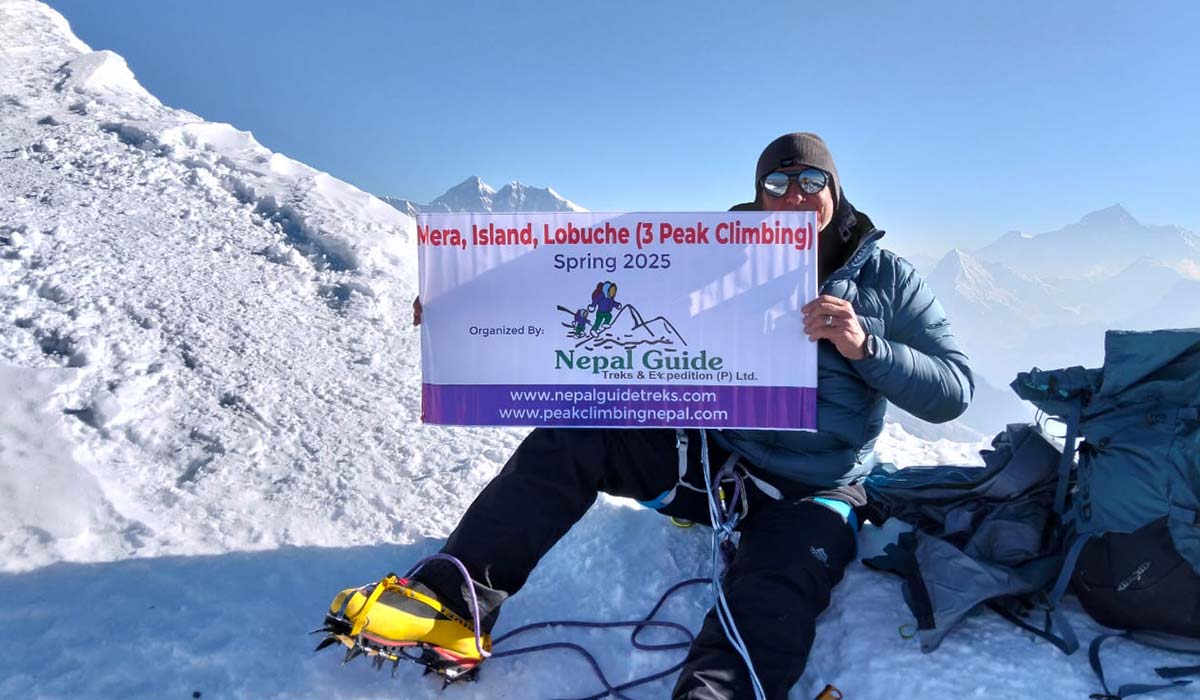
A lot of climbers who eventually reached the top of Everest, Manaslu, and Cho Oyu started their ascents on trekking peaks like Island Peak, Lobuche East, or Mera Peak. Such climbs are good experiences and confidence builders prior to entering the hard and demanding high-altitude expeditions.
Nepal Trekking Peaks List
Nepal is home to some of the world’s most popular trekking peaks. They have been attracting climbers who want to experience high altitude mountaineering without committing to fully technical expeditions. These trekking peaks are typically selected for the cultural aspect of trekking, breathtaking views of the Himalayas, and the opportunity to face the challenges of alpine climbing.
There are 27 officially designated trekking peaks in Nepal. Some of the well known NMA trekking peaks include:
Generally, these mountains are often found at the top of the Nepal trekking peaks list due to their unique blend of cultural trekking routes, astounding Himalayan landscapes and achievable alpine climbing goals. They serve as a base for climbers to progress towards the more technical and higher Himalayan summits.
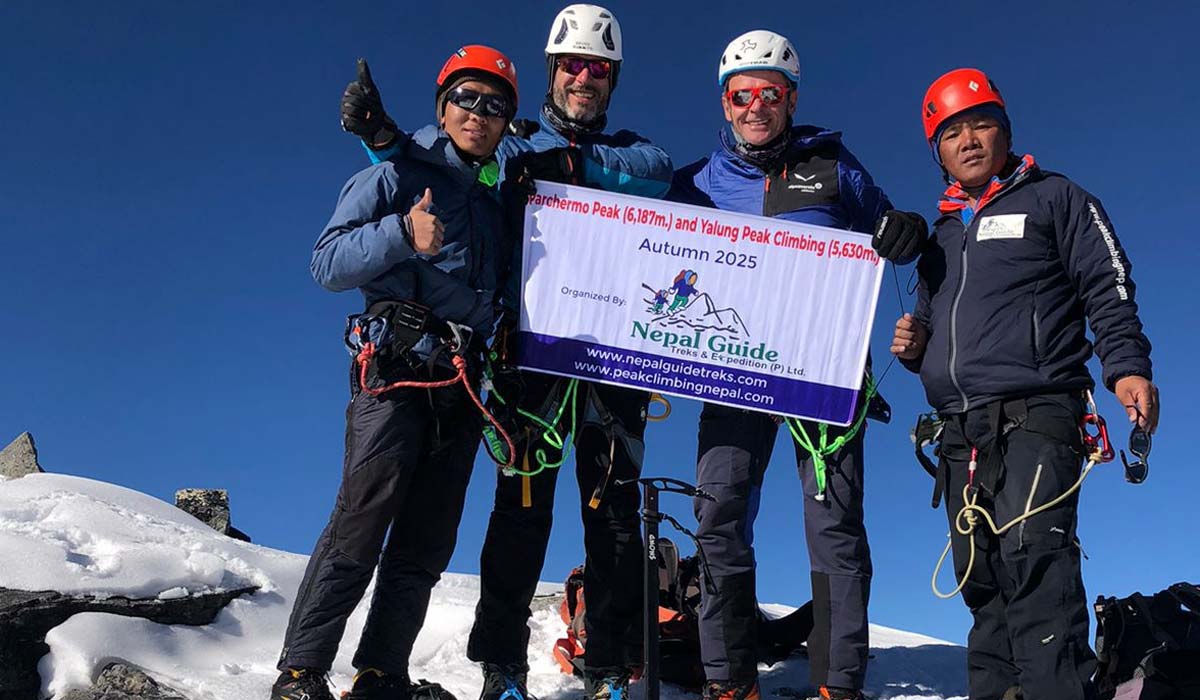
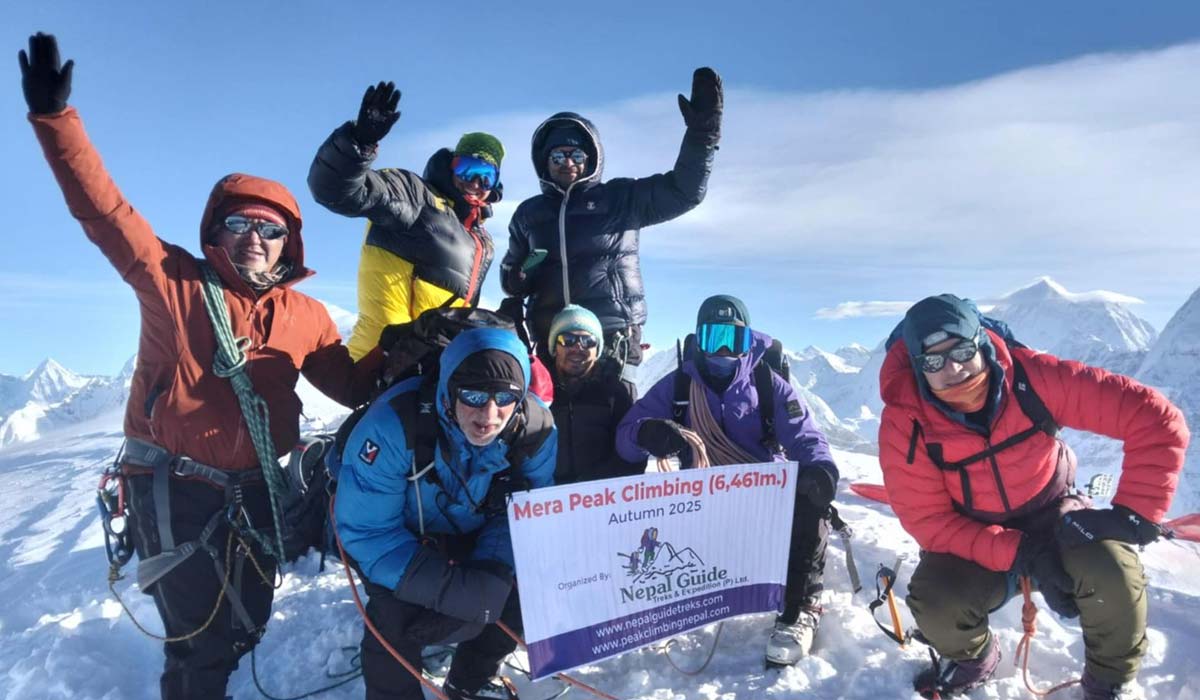
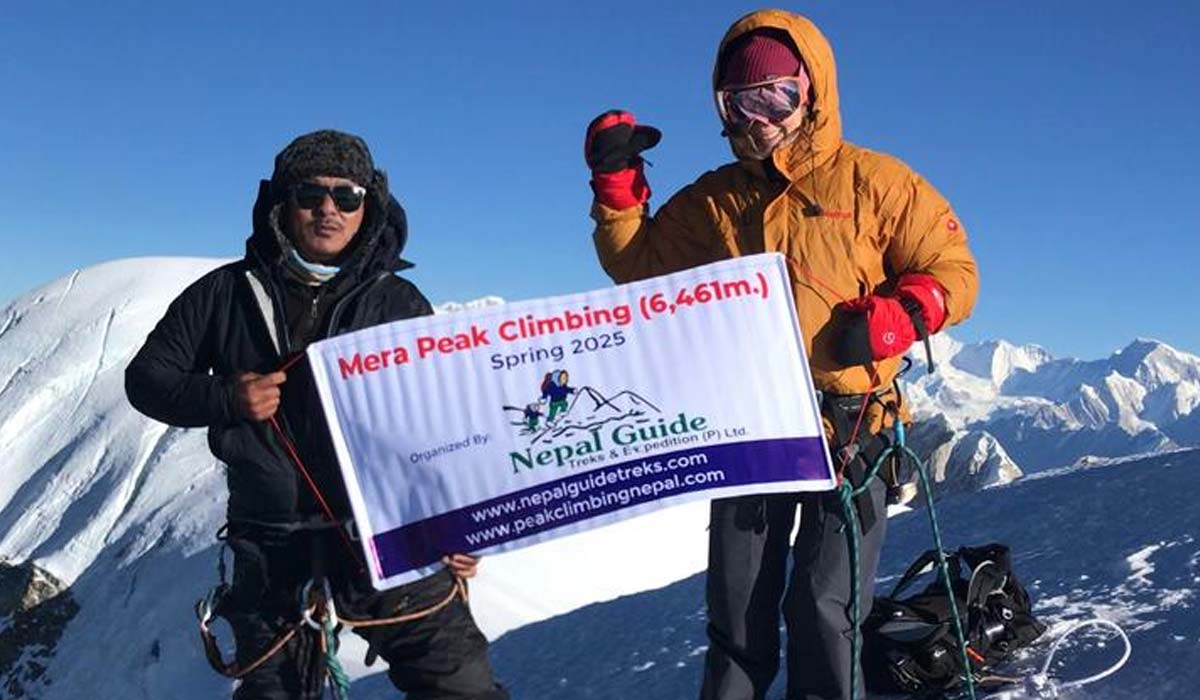
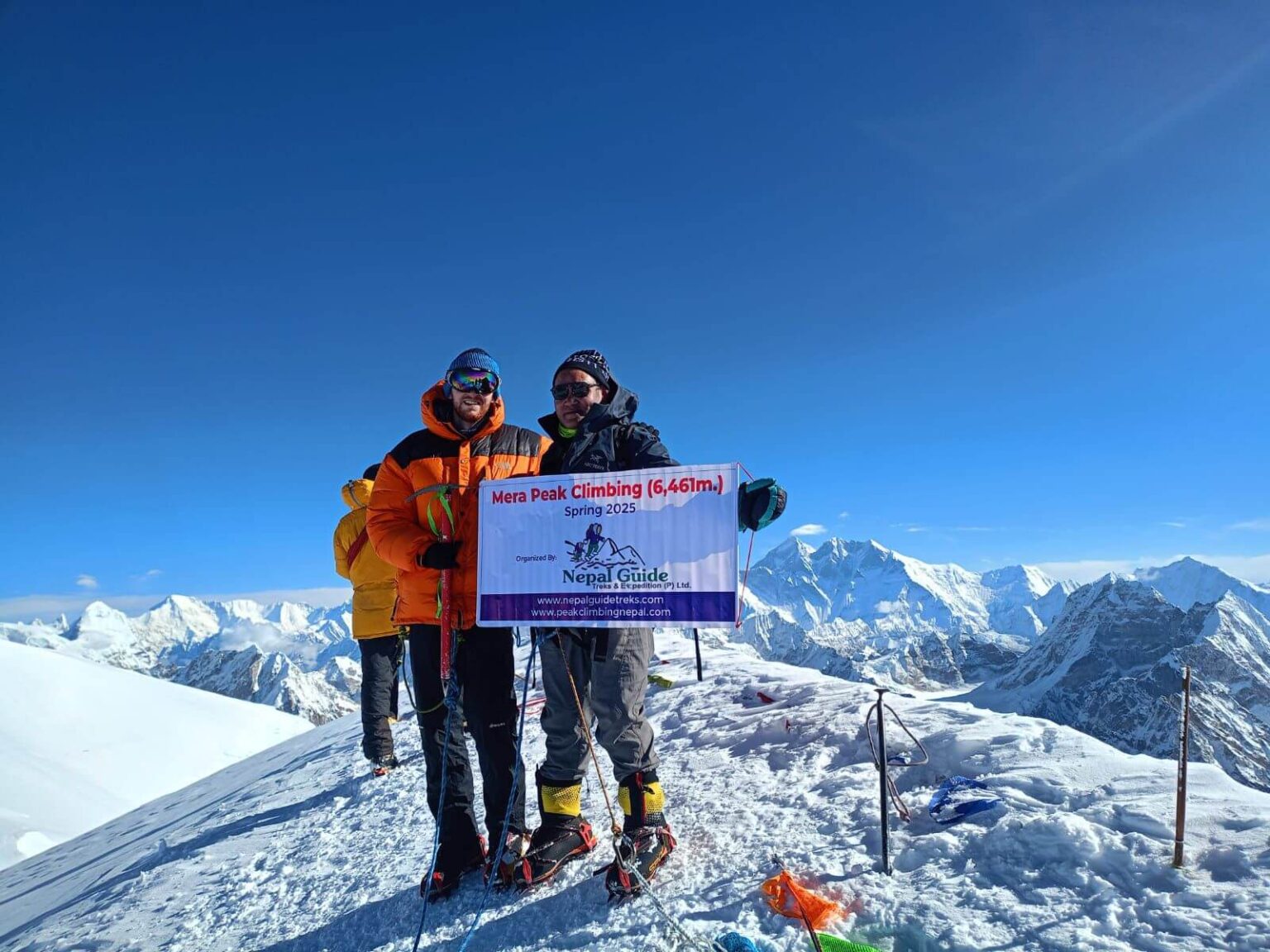
Nepal Mountaineering Association has enlisted Mera Peak (6,476 m) as the highest trekking peak of Nepal.
Why Mera Peak stands out:
It has the greatest elevation among all NMA-designated trekking peaks which is a significant milestone for high-altitude climbers.
The path consists of a non-technical ascent, which means that it is an easy climb and basic mountaineering skills would suffice instead of advanced climbing tactics.
It is considered ideal for gaining extreme altitude experience, particularly for those who are new to heights above 6,000 meters.
The summiteers will be treated with one of the most stunning panoramic views of the Himalayas which consists of Everest, Makalu, Lhotse, Cho Oyu, and many more peaks that are over 8,000 meters.
Serves as a preparatory climb before going to the more difficult 7,000-meter or 8,000-meter expeditions.
In short, Mera Peak bridges the gap between trekking peaks and major Himalayan expeditions. This is the reason that it remains one of the most sought-after high-altitude objectives in Nepal.
What Are Expedition Peaks in Nepal?
Expedition peaks are considered to be high-altitude, very technically challenging mountains, typically reaching over 7,000 meters. Their management is under the direct control of the Nepalese Government instead of the Nepal Mountaineering Association.
Ascending these peaks, you are undertaking a serious Himalayan expedition, which requires not only a high level of technical climbing skill but also an extensive logistical arrangement, a very strong mental and physical endurance. Climbers need to prepare themselves for complicated routes, harsh weather, long exposure to high altitudes, and the requirement of being self-sufficient for a long time.
Due to their sheer scale and extreme difficulties, expedition peaks necessitate special permits, a larger number of support teams and a longer duration of the whole expedition. This clearly sets them apart from the trekking peaks which are designed as entry points into high-altitude mountaineering.
Key Characteristics of Expedition Peaks
The altitudes are mostly over 7,000 meters and numerous are 8,000-meter-plus mountains, where climbers are subjected to extreme altitude environments.
They require official expedition permits from the Government of Nepal, which come with strict rules and documentation.
The itineraries are very long, ranging from 30 to 60 days and even more, to allow the climbers to get used to the altitude, prepare the route, and wait for the right weather.
The climbs require very complicated arrangements, such as the setting up of several high camps, the use of fixed ropes and the provision of oxygen and expert Sherpa climbing teams.
Expedition peaks involve significantly higher cost and risk, requiring thorough preparation, professional guidance, and mental resilience.
Examples of Expedition Peaks
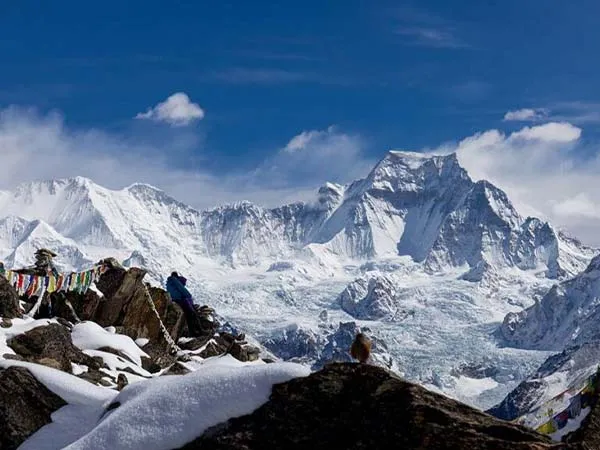
The list of major 8,000-meter expedition peaks includes:
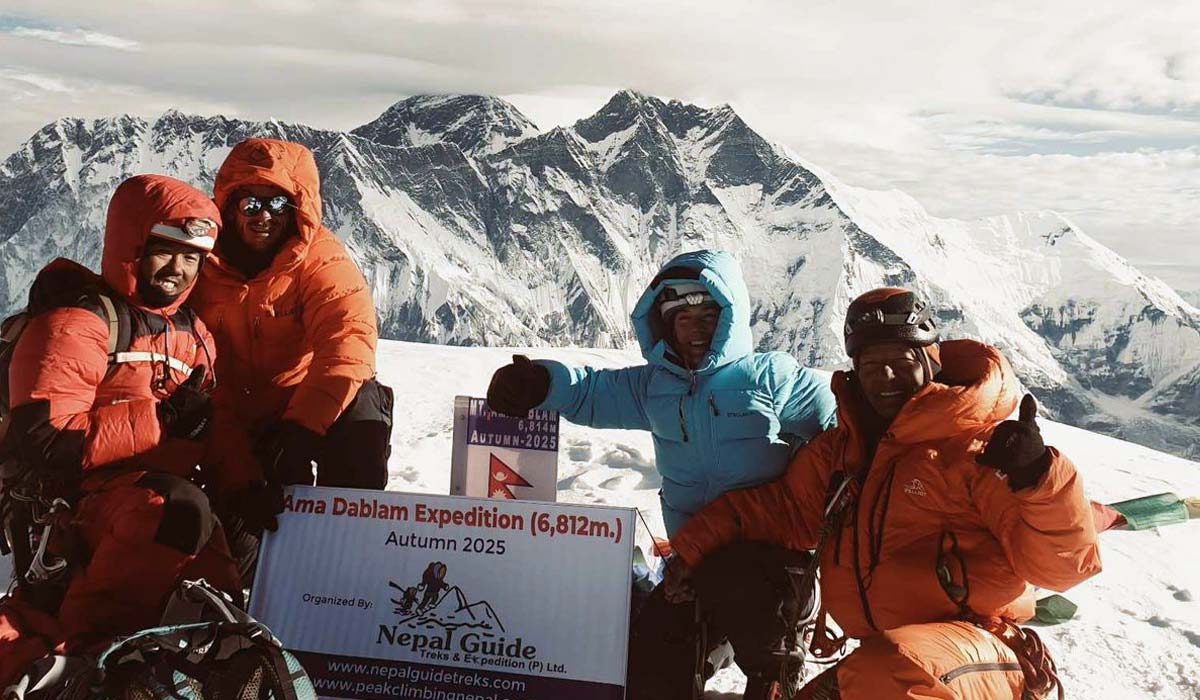
The major expedition peaks usually are above 7,000 meters but some like Ama Dablam and Cholatse, are considered expedition peaks as well due to their highly technical routes.
Trekking Peaks vs Expedition Peaks in Nepal – Quick Comparison
Trekking Peaks
Expedition Peaks
Managed by Nepal Mountaineering Association
Managed by the Government of Nepal
5,500–6,700 m
7,000–8,848+ m
Basic to moderate skills
Advanced to expert skills
2–3 weeks
1–2 months
Lower cost
Very high costs
Simple logistics
Complex logistics
Moderate risk level
High risk level
Ideal for beginner to intermediate climbers
Ideal for experienced mountaineers
Trekking Peaks vs Expedition Peaks in Nepal – Which One Should You Choose?
If you are first timers to alpine climbing, then you should pick trekking peaks in Nepal. These peaks are perfect for those who wish to go a little beyond the normal trekking and then gain experience with high altitudes without going through extreme technical challenges. They are also perfect for climbers who have limited time or budget and yet want to enjoy the thrill of Himalayan summits with lesser risks.
Trekking peaks present the beginner with a wonderful opportunity to learn and practice snow and ice climbing and build skill and confidence for the conquering of more advanced mountains in the future.
If you have past high altitude climbing experience and are technically skilled, then you can go for expedition peaks. These mountains demand competence in ice, rock, and mixed climbing. Besides, strong mental and physical endurance is a must for these peak climbing expeditions. They require a huge time and resource commitment, oftentimes weeks of acclimatization, logistics and support teams.
If you want to pursue highly technical summits, then expedition peaks are the way to go as they offer the ultimate challenge and opportunity for serious climbers.
The Choice You Make Will Define Your Whole Journey
Nepal presents a clear and structured pathway for climbers to grow no matter if you begin with a trekking peak or directly target a difficult expedition summit. But the difference between trekking peaks and expedition peaks in Nepal is not only related to height. It is also a matter of commitment, capability and purpose.
Trekking peaks provide a safe and simple way to get into high-altitude climbing, where the climbers can acquire mountaineering experience and confidence. On the other hand, expedition summits demand not only exceptional abilities but also a large amount of time and money. Therefore, make your decision carefully considering your skills, aims and financial resources.
Actionable Tips Before Choosing a Peak
Be honest about your past high-altitude experience, technical skills and mountaineering knowledge.
Establish your goal whether you are seeking adventure and altitude experience (trekking peak) or serious technical climbing (expedition peak).
Take into account your availability since trekking peaks usually take 1 to 2 weeks while expedition peaks can take 30 to 60 days or even longer.
Assess your budget because trekking peaks costs are often lower, whereas expedition peaks are more costly.
Understand technical requirements since expedition summits need ice, rock or mixed climbing skills while trekking peaks are mostly non-technical.
Take acclimatization needs into account; it’s usually easier to acclimatize to trekking peaks than to expedition peaks.
Consider physical and mental endurance; expedition peaks demand longer, more challenging climbs and stronger mental resilience than trekking peaks.
Be ambitious but safety-oriented. Don’t think you can do more than you really can. Selecting a trekking peak first can be a way to gain experience and confidence for future expedition peaks.